Where the Tide Writes in Salt and Smoke

Today we journey into Legends, Smuggling Tales, and Maritime Lore of the UK’s Tidal Islets, following moon-led waters across causeways that appear and vanish, to hear whispering stones, lantern signals, and prayers of sailors’ families. From Cornwall’s granite shoulders to Northumberland’s holy sands, expect salt-stung stories, hard-won wisdom, and invitations for your own memories to wash ashore in our shared conversation.

Paths That Appear and Vanish

Crossing to Lindisfarne

On bright mornings the causeway looks harmless, yet tide tables write firmer laws than road signs. Locals tell of cars marooned at refuge boxes, of pilgrims timing steps by gull shadows, of fog erasing distances, then parting like a curtain as the priory stones glow.

The Causeway to St Michael’s Mount

On bright mornings the causeway looks harmless, yet tide tables write firmer laws than road signs. Locals tell of cars marooned at refuge boxes, of pilgrims timing steps by gull shadows, of fog erasing distances, then parting like a curtain as the priory stones glow.

Hilbre and Cramond Walkways

On bright mornings the causeway looks harmless, yet tide tables write firmer laws than road signs. Locals tell of cars marooned at refuge boxes, of pilgrims timing steps by gull shadows, of fog erasing distances, then parting like a curtain as the priory stones glow.

Smugglers by Lantern-Light
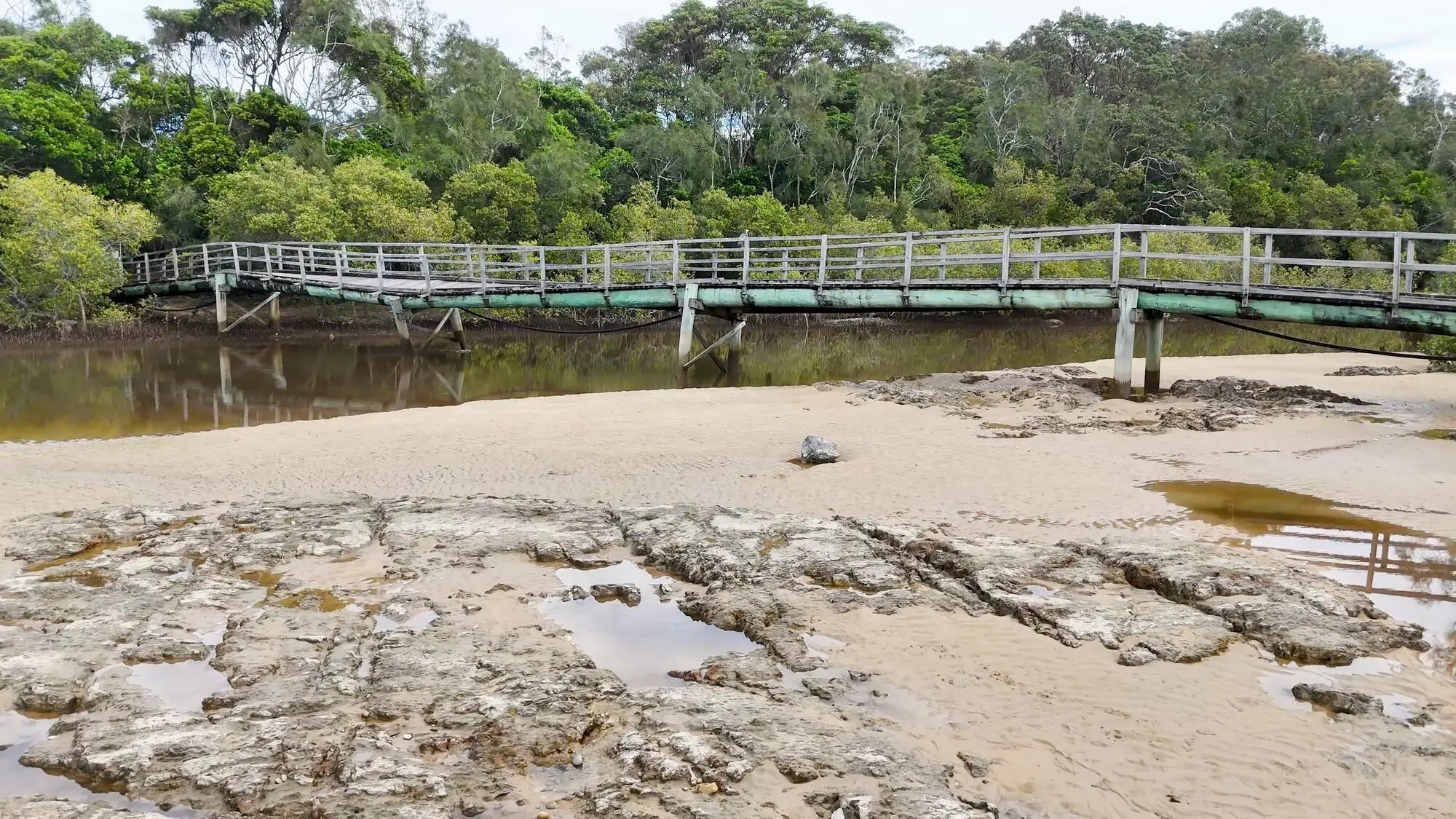
Long before customs men learned the lanes, quiet coves became counting-houses under stars. Barrels rolled like thunder through priest holes and pilchard cellars, signals blinked from cliffs, and entire villages turned their faces seaward, measuring risk against hunger, loyalty, and the silver promise of contraband arriving on a willing tide.

Prussia Cove’s John Carter

They still toast the self-styled King of Prussia in kitchens where salt dries on boots, swapping scenes of moon-dragged landings, false bulkheads, and cliff-top feints that outpaced excise cutters. His legend, stubborn as gorse, survives in nicknames, place names, and families who remember debt paid with daring.

Burgh Island After Dark

When the bar drops and the island becomes itself again, the Pilchard Inn holds whispers about coded knocks, crates under seaweed, and a silhouette watching for three lantern blinks. Modern guests sip cocktails upstairs, barely hearing boots below history’s floorboards pace a well-practiced route to safety.

Tenby’s Caves and Watchers

St Catherine’s Island carries a fort, yet locals point first to tide-cut entrances where teenagers dare torches and elders recount great-uncles vanishing between waves with laughing curses. Every shoreline window was once a lookout, every shutter a codebook, every dog’s bark timed to a running oar.

Saints, Kings, and Invaders

Lindisfarne’s Illuminated Memory
They tell how the Gospels journeyed, pages bright as sunrise, carried from sanctuary to sanctuary after iron met ash in 793. Eider ducks still nest nearby, called cuddy ducks by locals, small consolations proving tenderness can survive beside the sea’s harder, more historic lessons.

The King of Piel

On a beer-crate throne within a weathered castle shell, new arrivals may receive a laughing knighthood, sworn to defend silly rites and serious fellowship. The jest hides endurance: communities persist when salt erodes stone, binding strangers to place through ritual, kindness, and cheerful responsibility.

Pilgrims of the Western Mount

Those who wade or walk toward the chapel hear waves counting prayers in languages older than their steps. Guides speak of healings and hardships, of saints imagined and saints unnamed, and of a causeway that educates impatience faster than sermons or schoolroom clocks ever could.

Wrecks, Warnings, and the Rule of Twelfths

Charts unfold like cautionary epics here. Bells once tolled through fog, keepers trimmed wicks, and village children learned the tide’s fractions before their times tables. Tales of wreckers persist, yet historians answer with nuance: compassion, not cruelty, hauled most survivors and salvage across these shifting approaches.

Storm Bells and Phantom Lights

Fishermen laugh gently at ghost-lamps blamed for rocky landings, pointing instead to refraction, drink, and desperate weather. Still, a shiver remains when fog wraps the islet and a single bell insists on memory, summoning every lesson carved by heartbreak into local judgment and seamanship.

Pilots, Lifeboats, and Quiet Bravery

Look for blue plaques and boathouse rails scarred by ropes, each groove a testimony that rescue is a craft taught by elders and rehearsed in storms. The RNLI’s stories reach here, ordinary names performing extraordinary turns because someone, somewhere, misread a cloud or trusted a rumor.

Reading Sky and Sea

Old hands still test weather by scent and gull height, though phones now mutter forecasts with polished certainty. Between data and instinct lies survival, and the islets teach that balance kindly, demanding we check, recheck, and then share updates so no neighbor learns the sea alone.

Creatures of Foam and Legend
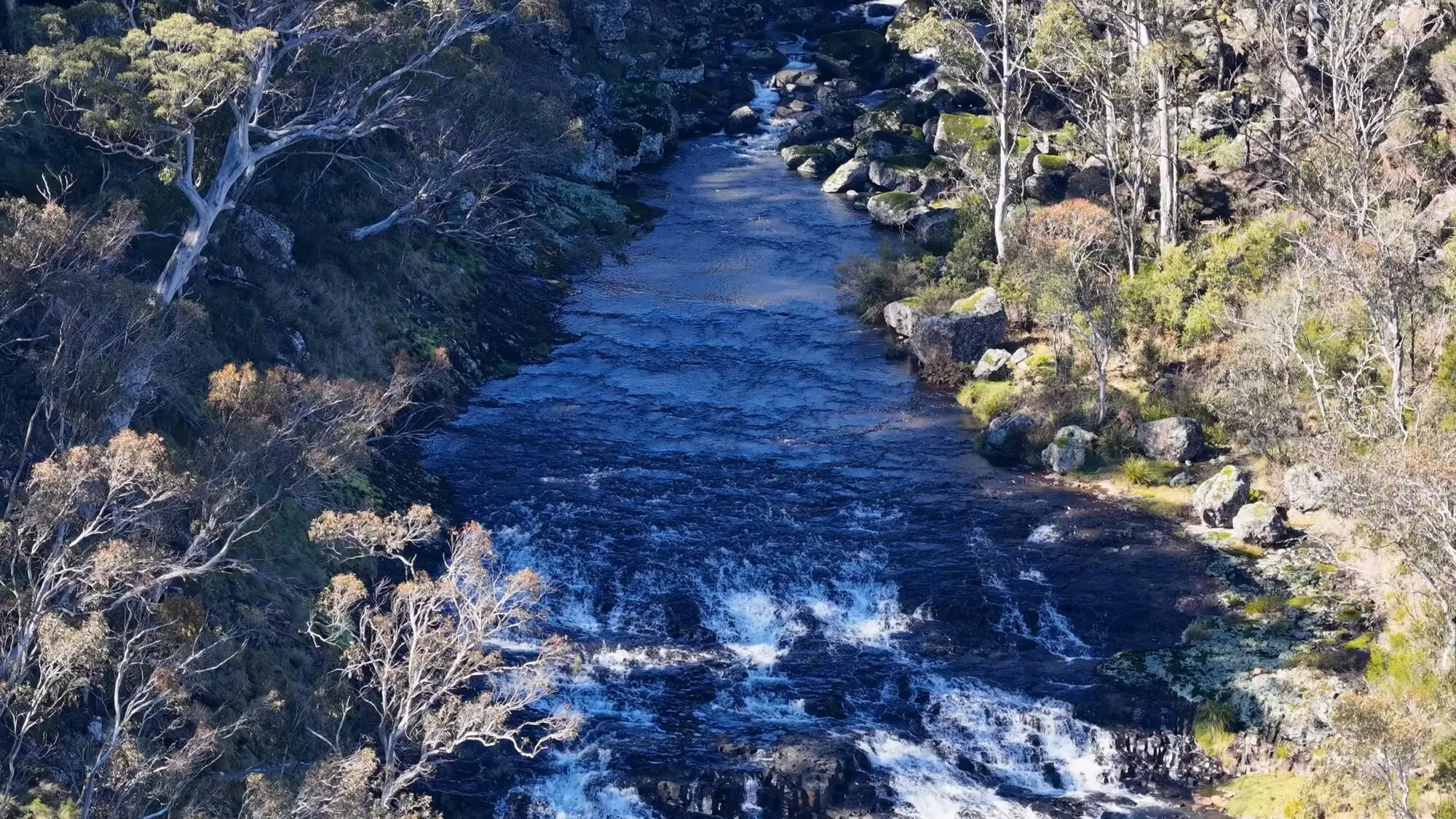
As tides comb wrack-lines, life reveals itself in curious gazes and borrowed shapes. Selkies haunt stories, seals surge like wet commas, and migratory flocks redraw the sky. Care for them is not romance but responsibility, a pact signed with binoculars, patience, and thoughtful footsteps.

Songs, Stories, and Secret Codes

Cant of Cargo-Runners

From owling to moonshine, codewords hid risk in plain speech, confusing outsiders while binding crews. Lists survive in court notes and tavern jokes, proof that humor guarded danger. Add any family sayings in the comments, and we’ll trace kinship lines between dialects, docks, and daring nights.

Shanties and Shore Ballads

Some songs kept time for capstans, others stitched comfort for long waits by dark windows. Think of The Keel Row lifting Tyneside pride, or lullabies teaching knots by cadence. Send us verses your elders hummed; we’ll publish a chorus woven from beaches, boathouses, and bright kitchens.

Marks on Rock and Timber

Look along door lintels and pier posts for initials cut deep, tides remembered in notches, and arrows guiding night feet to safety. Some belong to masons, others to mischief, all to a culture that archived instructions in woodgrain and granite rather than dusty shelves.

Walking the Line Between Tide and Time
These islands reward preparation more than bravado. Check tide platforms, ask locals, and carry layers; then let yourself wander with respectful wonder. Share a memory below, subscribe for route guides and oral histories, and return often, because every crossing edits your understanding and strengthens coastal friendship.