
Across the Sands, Safely and Sure-Footed

Today we explore planning safe crossings to the United Kingdom’s tidal islands using tide timetables and established shore-to-island routes, turning anxious guesswork into confident adventure. Learn how to choose the right window, read local notices, and move deliberately, so your footsteps trace stories of sea, sky, and history without rushing the tide or risking unnecessary drama. Join the journey, ask questions, and share your own coastal wisdom as we turn precise timing into unforgettable memories.

Reading the Sea’s Clock: Mastering Tide Timetables

Tide tables unlock predictable rhythms, but only when you understand how time, height, and local variations translate into safe causeway walking. We outline how primary and secondary ports differ, how daylight saving time shifts printed entries, and why height predictions define exposure on sand bars. Build confidence by cross-checking sources, marking buffers on your plan, and treating the earliest rising water as a firm signal to turn back rather than a casual suggestion.

01

From Tables to Footsteps: Interpreting Times and Heights

Approach tide tables as practical tools, converting high and low water times into real on-the-ground windows that respect depth, current, and wind setup. Note the predicted heights and the critical threshold that reveals or hides the route, then add personal margins. Carry an updated table or reliable app, confirm time zones, and annotate allowances for your chosen crossing, because careful interpretation becomes your invisible lifeline once sea and sky blur familiar landmarks.

02

Range Matters: Spring and Neap Differences You Must Respect

On springs, water races higher and drains lower, revealing causeways widely yet returning with uncompromising speed; on neaps, the change is gentler, but narrow windows can deceive unprepared walkers. Learn the fortnightly rhythm, mark spring extremes after full and new moons, and recognize that enticingly exposed sands may vanish minutes earlier than expected. Respect the range, treat every plan as provisional, and practice turning back while conditions still feel easy and calm.

03

Weather, Pressure, and Surge: Hidden Forces Shifting Your Margin

Meteorology modifies predictions: low pressure can elevate sea levels, strong onshore winds can push water earlier, and swell can flood channels thought safely shallow. Watch marine forecasts, pressure charts, and the effect of recent storms on sand contours and weed-draped rocks. If numbers look generous yet gusts and surge whisper caution, trust prudence over optimism, because safety often lies in delaying, downsizing, or choosing a different island until conditions truly align.

Routes to Beloved Tidal Islands

Across Britain, storied paths lead through shifting sands and cobbled ways to castles, chapels, inns, and wildlife havens. Learn the character of Holy Island’s monitored causeway, the elegant stones to St Michael’s Mount, and the swift-changing sands near Burgh, Cramond, Hilbre, and St Mary’s. Each route rewards precise timing and respectful patience, and each community posts guidance worth heeding. Share your experiences, tips, and photos to help others approach with insight and care.

Safety Kit, Timing Discipline, and Group Readiness

Preparation tilts every decision toward calm clarity. Footwear with grip, warm layers, a windproof shell, and spare socks make pauses bearable when checking channels. A headtorch, whistle, small first-aid kit, and charged phone in a dry bag add resilience. Set a conservative turnaround time, brief your group on roles, and agree signals before you step onto exposed sands. When everyone understands the plan, shared awareness replaces worry, and exploration feels beautifully unhurried.

Local Knowledge, Access, and Coastal Etiquette

Harbour offices, visitor centers, lifeboat stations, and café owners often hold fresh observations about weed-slick stones, wind-driven puddles, and subtle shifts in sandbars. Combine printed guidance with living memory, then respect access rules, parking limits, and wildlife zones. Tidal islands host delicate communities and ecosystems that flourish when visitors tread lightly. Pack out every scrap, avoid drones near nesting birds, and offer a friendly word to locals who help keep these crossings welcoming and safe.

Harbour Masters, RNLI, and On-the-Ground Wisdom

A quick chat can reveal that yesterday’s storm scoured a channel deeper or that weed now blankets a critical ledge. Ask before committing, noting emergency numbers and the nearest safe high-ground. Many stations post boards with updates; photograph them to carry offline. Treat volunteers and staff with gratitude, share your plan, and invite advice. Their experience shortens your learning curve, transforming uncertainty into grounded judgment and respectful confidence under changing coastal skies.

Signs, Car Parks, and Contingency Exits

Read every sign, not just the headline times. Some routes include refuge points, alternative paths, or explicit no-go warnings during storms and dark hours. Photograph waymarkers and note sightlines to steeples, cliffs, or buoys for handrails in mist. Confirm car park hours and overflow options to avoid rushed returns. Identify escape routes in advance, so turning back becomes a smooth decision, supported by knowledge rather than disappointment, whenever the sea politely says, not today.

Leave No Trace on Fragile Shores

Intertidal life is easily crushed beneath excited steps. Keep to durable surfaces where possible, avoid trampling eelgrass, and give birds generous space during feeding and nesting. Pack reusable bottles, pocket every wrapper, and choose quiet wonder over loud celebration. Share route details without encouraging risky shortcuts, and lift spirits, not pebbles or shells, from protected zones. When care leads, the shore welcomes you back, its living textures brighter for the gentleness you practiced.

Stories from the Causeways: Lessons That Stayed With Us

A Close Call Beneath Lindisfarne’s Skies

We met a family who parked for just one more look, then realized the water was already lapping around the final dip. Calm voices, quick walking, and a friendly shout from another visitor turned anxiety into a safe retreat. Their takeaway was simple: start earlier, finish earlier, and consider the view from the dunes next time. The memory now anchors their planning, a gentle reminder written in wind, light, and thankful relief.

The Photographer, the Moon, and St Mary’s

A moonlit composition tempted a few extra minutes beyond prudence, yet a faint swell shimmered warnings across the causeway stones. Instead of chasing a perfect frame, the photographer eased back to the mainland, choosing a telephoto angle that told the story from safety. The resulting image carried honesty and tide-born texture, and the lesson echoed quietly afterward: artistry thrives when respect for the sea’s timing shapes every patient decision before the shutter clicks.

Hilbre in Winter: Calm Comes From Preparation

A small group rehearsed their route on a map, practiced headtorch checks, and rehearsed a firm turnaround time. Icy wind sharpened judgment, but teamwork kept spirits warm and steps unhurried across Little Eye and Middle Eye. Seals surfaced like curious commas in a gray paragraph, and the homeward margin stayed generous. Back at the car, laughter mingled with steaming flasks, gratitude rising for preparation that turned a cold day into quiet joy.

Wildlife, Geology, and Wonder Along the Intertidal Path

Crossings reveal a living museum under your boots: ripple marks recording wind stories, stones stitched with barnacles, and channels tinted by eelgrass and silt. Seals watch quietly; terns slice the air like bright punctuation; waders hurry with intricate purpose. Read rock ridges for traction, pause where pools teem with shy anemones, and keep respectful distance from resting animals. Share sightings, sketch textures, and let careful movement deepen wonder without erasing the fragile traces you admire.

Seals, Terns, and Respectful Watching

Bring binoculars and linger beyond disturbance thresholds, letting wildlife shape your pace instead of your excitement crowding theirs. Learn how posture, spacing, and silence minimize stress, and use wind direction to carry scent and sound away from haul-outs. Share sightings responsibly, protecting sensitive locations from overexposure. When attention becomes stewardship, every glimpse feels like a gift freely given, and the crossing becomes a classroom where patience writes the most enduring field notes.
Rockpools, Ridges, and Reading the Ground

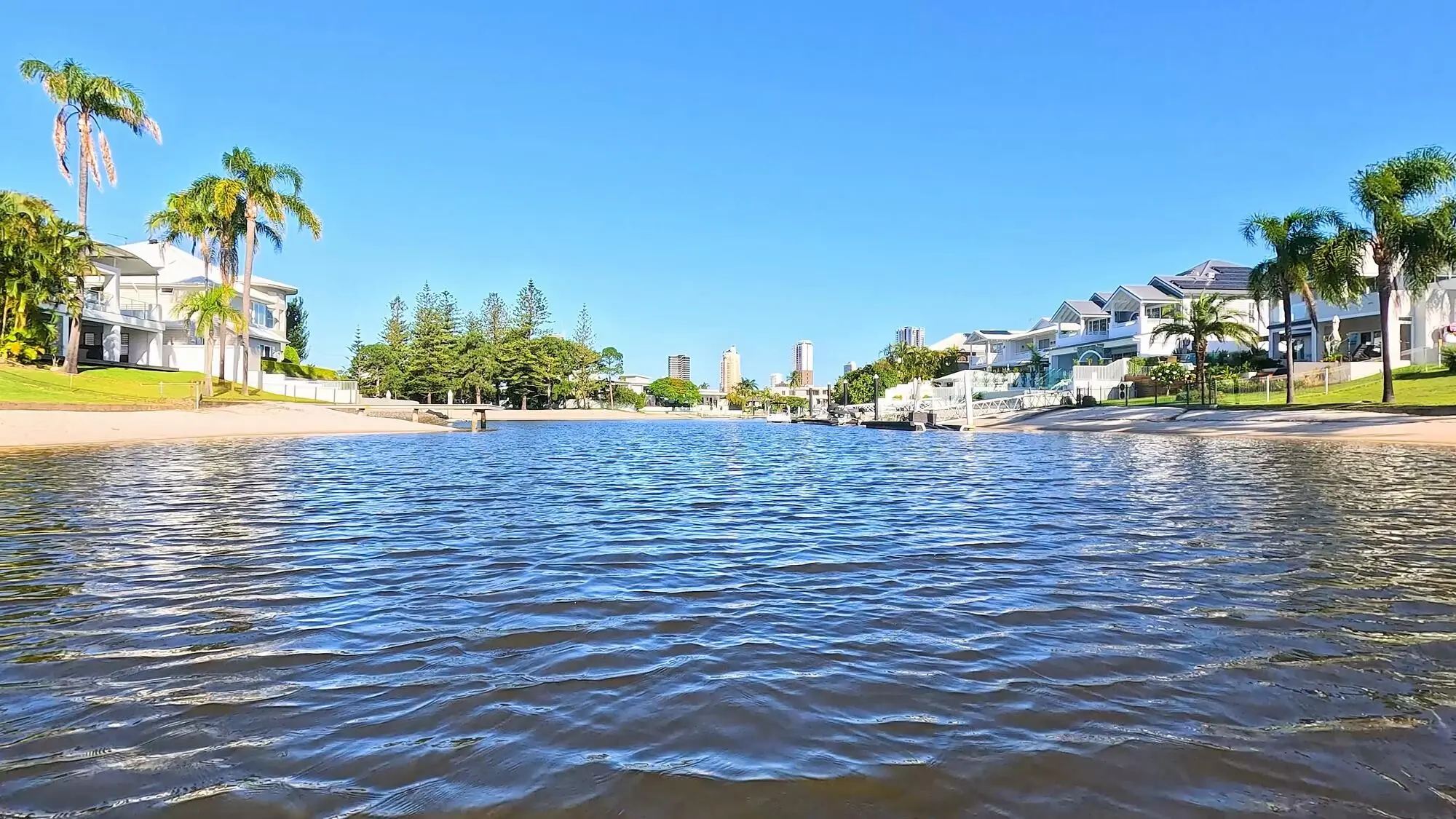
Look for rugose textures and pale sand tongues that betray submerged channels. Rockpools shelter blennies, shrimps, and beadlet anemones, but they also signal slipperiness and fragile life underfoot. Step where surfaces are most robust, keeping weight light over living colonies. Study ripple orientation against the wind; it hints at drainage routes and firmer lines. As awareness grows, navigation feels less like guessing and more like listening to the beach’s quiet, well-practiced language.
Shifting Sands, Ancient Stone, and Modern Maps

Causeways evolve as storms sculpt bars and weed mats slide across familiar steps, yet bedrock ledges and old piers offer reliable anchors to your mental map. Blend paper charts, GPS, and local signboards, then prioritize what your eyes confirm. Update your notes after each visit, recording how channels moved and which markers proved clearest. The dialogue between change and permanence becomes guidance, and your future crossing plans inherit calm precision from today’s attentive observations.