Where Land Breathes with the Sea: Life on the UK’s Tidal Islands
Today we explore wildlife and intertidal habitats unique to the UK’s tidal islands, following the ebb and flow that reveals rocky shelves, wrack forests, sandflats, and secret pools. From Holy Island to Hilbre and St Michael’s Mount, these places shape extraordinary communities of birds, shore crabs, limpets, anemones, and eelgrass meadows. Wander with us through stories, science, and fieldcraft that celebrate rhythms, resilience, and safe, respectful discovery.

Timing the Crossing

Crossing safely is part natural history and part choreography. Tide tables, wind direction, and pressure combine to stretch or squeeze your window, as visitors to Lindisfarne, Burgh Island, or Worm’s Head quickly learn. Arrive early, watch the channels, note escape routes, and remember that water can surge back faster than a brisk run. The day’s rarest wildlife encounter is meaningless if the return path vanishes beneath rushing, opaque water.

Zonation as a Living Map

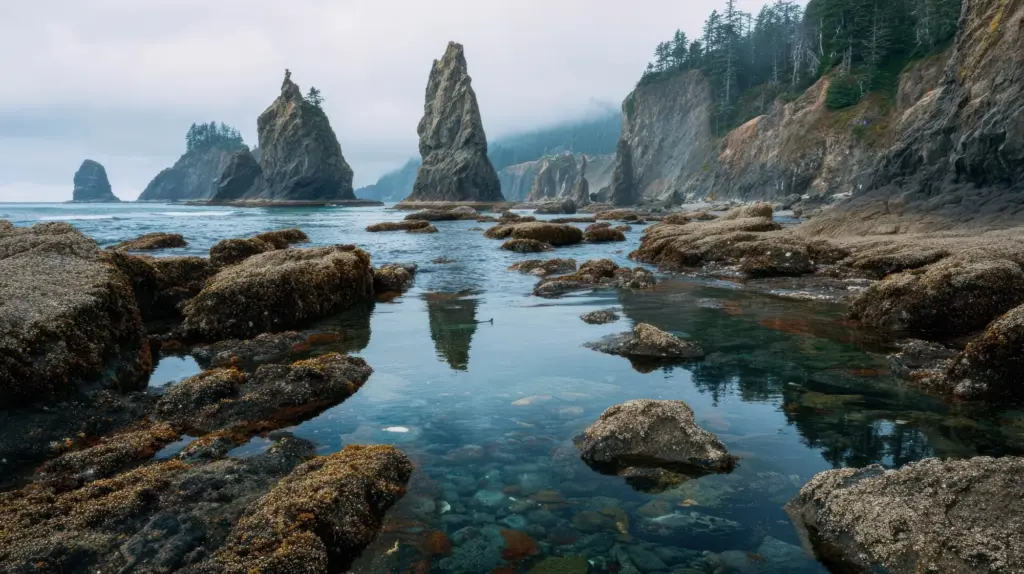
Look closely from the splash zone downwards and the shore writes itself in bands: black crustose lichens, salt-tolerant Pelvetia, bladderwrack and knotted wrack, then lush serrated fronds near the lower edge. Barnacles and limpets dominate exposed rock; sheltered ledges hold sponges, anemones, and crimson red algae. Each stripe marks a compromise with desiccation, waves, grazing, and frost. Read the bands and you can predict who lives where, and why.

Spring and Neap Surprises

Not all low tides are equal. Spring tides reach farther, revealing boulders and sandbars that neaps never uncover, concentrating shorebirds and exposing rare pools where blennies blink among pink coralline films. Conversely, neaps can offer calmer observation windows with less surge. Photographers, foragers, and surveyors plan around these swings, chasing unusual exposures and cautious routes while respecting fragile honeycomb worm hummocks and eelgrass edges that can be damaged by a single careless boot.

Rock, Wrack, and the Color of Resilience

Tidal island rocks host pocket worlds: seaweeds cushioning wave blows, crevices sheltering periwinkles, and sun-warmed pools testing the hardiest anemones. Wrack forests buffer desiccation, trap larvae, and fuel detritus food webs, feeding amphipods that feed shorebirds. Storms rearrange everything, yet communities rebound with astonishing speed. Learning to read textures, fronds, and film-slick surfaces turns a slippery scramble into a naturalist’s delight and a painter’s palette of greens, bronzes, and wine-red glows.

Wrack Forests

From bladderwrack’s bubble-lit shade to tough, knotted strands of Ascophyllum, these flexible canopies soften waves, host juvenile prawns, and hide amphipods, isopods, and tiny snails. Periwinkles browse films while dog whelks stalk barnacle clusters. At low tide, fronds glisten, steaming gently as sun and breeze tug at moisture. When the sea returns, everything lifts, sways, and feeds again, transforming wiry heaps into floating woodland cradles for larvae and drifting spores.

Rockpools as Weather Diaries

Each pool records the day: evaporation sharpens salinity, sunlight warms the shallows, and a passing squall refreshes oxygen. Beadlet anemones close like purses; shannies peer from weed-tuft caves; red dulse and coralline plates add muted glow. After storms, sand can bury life; a single high tide can scour it clean. Regular watchers learn which pools shelter brittle stars, which cradle shrimp broods, and which simply mirror skies and gulls.

Sands, Mud, and Hidden Architects

Beyond the rocks lie broad aprons of sand and mud that breathe with the tide, sift silt, and hold extraordinary, unseen engineers. These sediments feed knots and dunlin, anchor eelgrass, and buffer storm surges around islands and causeways. Underfoot, a matrix of tubes, burrows, and shell beds filters water and recycles nutrients. Walk softly, pause often, and the plain will reveal castings, siphon holes, and delicate ripples like a Braille of abundance.

The Lugworm’s Spiral Cities

Those cinnamon spirals scattered across flats are lugworm castings, evidence of tireless tunnellers irrigating sediment and drawing oxygen deep below. Their work enhances microbial communities, reshapes grains, and fuels bird banquets when tides fall. At dawn, oystercatchers probe for the worms’ soft centres, leaving dotted lines of footprints. Learning to read cast spacing and blowholes turns a bland expanse into bustling architecture, built quietly each night beneath a cold glitter of stars.

Shellfish Meadows and Food Webs

Cockle beds and mussel patches bind shifting ground, creating footholds for seaweeds and perches for roosting waders. People have gathered these riches for centuries, yet sustainable limits and local bylaws matter, especially where wintering flocks depend on reliable prey. Watch how knots move like quicksilver, then settle in unison; hear oystercatchers tap shells; notice razor clams whispering up siphons. Each small meal threads energy from mud to wing, returning as stirring flight.

Seagrass and Saltmarsh Edges

Eelgrass beds around sheltered bays, including near Lindisfarne, cradle juvenile fish, cushion waves, and store blue carbon in shimmering leaves. In winter, dark-bellied brent geese graze the blades carefully, taking only the newest tips. Adjacent saltmarshes stitch islands to mainland with tough halophytes that trap silt, raise ground, and perfume the air with honeyed notes on warm evenings. Step lightly: one misplaced footprint can uproot rhizomes that took years to weave.

Feathers Over the Flats

When the tide retreats, wings arrive. Tidal islands become vantage points, roosts, and larders for migrants tracing the East Atlantic Flyway. Curlew voices fold dusk into longing; terns carve lightning into bright mornings. Birds read tides better than we do, timing dashes between waves and sandbars. If you pause, lower your profile, and listen, the shore will unfurl choreographies of hunger, caution, and grace that complete the intertidal story.

Oystercatchers and Their Hammering Calls
Black-and-white silhouettes patrol edges where cockles and mussels lie, their chiselled bills tapping, twisting, or prising depending on prey. Watch how pairs defend patches, how juveniles learn technique by imitation, and how rising water squeezes flocks closer, briefly revealing densities. The air vibrates with piping urgency, then falls silent as a swell passes. They remind us that precision feeding can be musical, and that survival often rings with bright, insistent notes.

Curlew Echoes at Dusk

As light thins over mudflats, curlews lift long, decurved bills like questions to the sky and send liquid trills across quiet water. Their probing reaches deep for worms and crabs, their caution measures every step. Habitat loss elsewhere makes these edges priceless refuges. Stand downwind, still as driftwood, and a small party may ghost past, each wingbeat scribing a promise that safe, open feeding grounds remain for another season.

Shells, Claws, and Quiet Dramas

Beneath the easy postcard beauty, small rivalries and alliances define survival. Limpets scrape films with tireless radulae; barnacles gamble on prime real estate; crabs test armours in briny arenas. Algae photosynthesise under stained glass water, feeding grazers that feed predators. Each tide resets positions, yet individuals remember safe crevices and favourite ledges. Spend an hour kneeling by a pool and you’ll witness epics scaled to a pebble’s breadth.

People, Pathways, and Tidal Respect

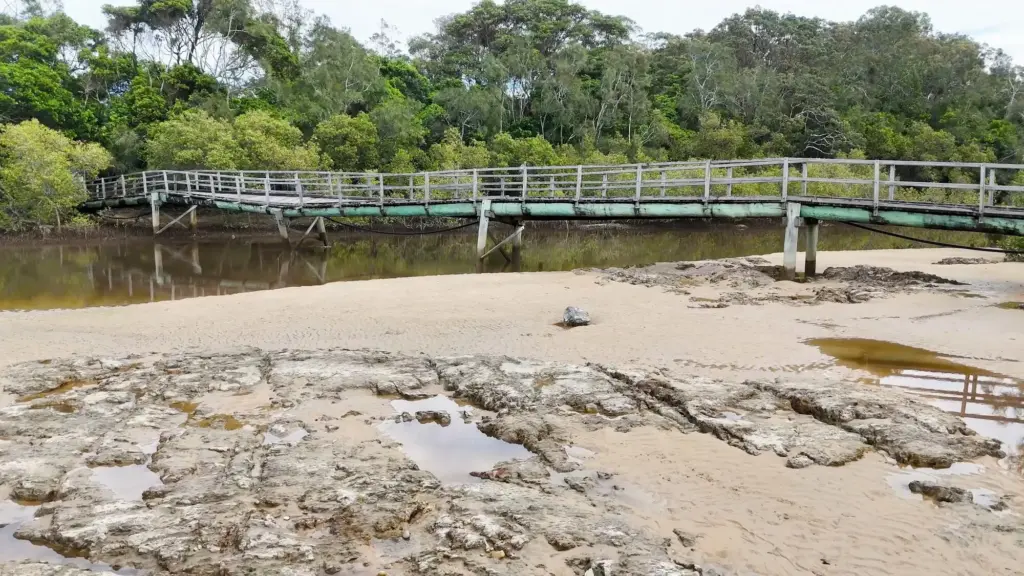
Human stories cling to tidal islands: monks, traders, lighthouse keepers, artists, and modern walkers guided by phone apps and flint-clear caution. Causeways look gentle but behave like traps when wind piles water fast. Codes of care protect nesting birds, eelgrass rhizomes, and delicate worm reefs. Preparation adds delight, not fuss: the right footwear, a spare layer, a thermos, and a generous margin before the returning sea’s polished blue edge.

Guardianship and Shared Discovery

Many tidal islands and their surrounding flats are protected as National Nature Reserves, Sites of Special Scientific Interest, Marine Conservation Zones, or Ramsar wetlands, yet protection works only when visitors participate. Climate change shifts storm patterns and sea levels, squeezing habitats between waves and walls. Citizen scientists, local communities, and curious walkers can document changes with photographs, tide notes, and species lists, turning each wander into practical care for living edges.

Protected, Yet Vulnerable

Lindisfarne’s internationally important flats and eelgrass pastures, Hilbre’s Local Nature Reserve status, and numerous SSSI shorelines demonstrate recognition, not immunity. Disturbance, pollution, and heatwaves still bite. Simple acts—sticking to paths, leaving roosts undisturbed, reporting stranded wildlife—magnify legal safeguards. Think of protection as a promise renewed daily by choices as small as pocketing a fragment of litter or skipping a shortcut that cuts a muddy scar through delicate growing edges.

Become a Shore Detective

Join local Shoresearch surveys, contribute rockpool finds to iNaturalist, log bird movements on BirdTrack, and note strandline oddities for beach-clean networks. Bring a ruler card for scale, learn a handful of seaweed and shell identifications, and photograph from consistent angles. Your data, added to thousands of others, maps change better than memory alone. Even one careful observation during an unusually low spring tide can anchor future decisions that safeguard whole communities.

Share, Subscribe, Return

We’d love to hear your island crossings, near-miss timings, quiet pools that taught patience, and bird flocks that stole your breath. Share comments, subscribe for tide-aware field guides, and return with fresh eyes and kinder steps. This journey deepens with repetition: same bay, new angle; same species, new behaviour. Together we can keep these edges generous, surprising, and welcoming to anyone willing to match their pace to the moving sea.