Across the Sands: Paths to the UK’s Tidal Islands in a Rising-Sea Century
We dive into Climate Change and Erosion: The Future Accessibility of the UK’s Tidal Islands, exploring how rising seas, quickening storms, and shifting sediments are reshaping treasured crossings to places like Lindisfarne, St Michael’s Mount, and Cramond. Expect grounded science, lived stories, and practical advice for safer journeys, while we imagine better paths, smarter warnings, and resilient heritage that welcomes future visitors without losing the wild magic of low-tide wanderings.

Changing Water, Changing Windows

Tide tables once offered confident windows for walking or driving to beloved island communities, yet sea-level rise and storm surge now squeeze those hours, sometimes unpredictably. Travelers encounter faster-flooding causeways, deeper channels, and confusing backwash. Understanding timing, local bathymetry, and storm patterns becomes essential for safe access, conservation planning, and ensuring that crossings remain inclusive for families, historians, birders, and spontaneous adventurers seeking sea-sculpted horizons.

Shorter Safe Crossing Periods

As mean sea level inches higher, slack-water intervals shrink, leaving fewer minutes between exposed sands and returning tide. On Holy Island, experienced locals already note narrower safe windows in blustery seasons. Add wave setup and pressure-driven surges, and a routine lunch trip can become a sprint against incoming water, reminding us that caution, updated guidance, and respect for changing rhythms matter more than ever.

Local Knowledge Meets New Uncertainty

Generations have read clouds, kelp lines, and the rumble of distant surf to judge whether to cross. Climate change complicates those signals, layering warmer oceans and altered storm tracks onto familiar cues. Listening to wardens, fishers, and ferry operators, then pairing their insights with reliable forecast apps, helps visitors adapt without losing the island traditions that make these journeys feel both time-honored and alive.

Storm Surges and Sneaker Floods

A modest high tide can become unexpectedly fierce when low pressure and onshore winds pile water into estuaries. Drivers inching across causeways at Burgh Island or St Mary’s sometimes meet water sooner, and deeper, than charts suggest. Respect signage, seek fresh local updates, and carry a backup plan. It is better to linger with tea and gulls than misjudge a surge and call the coastguard.

Erosion Engines: Sand, Rock, and Relentless Energy
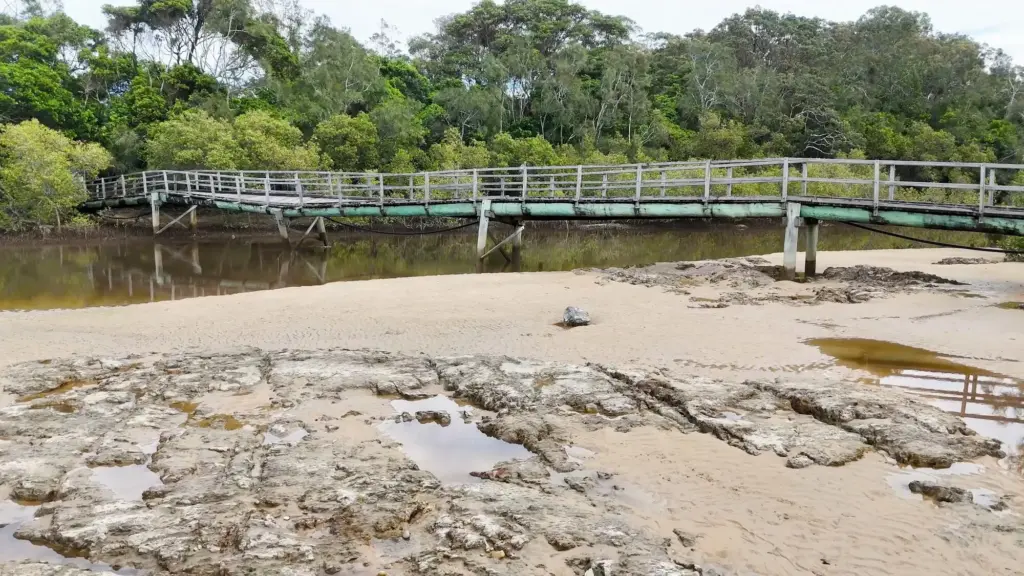
Erosion is not a singular villain but a restless balance among waves, currents, sediments, and human structures. Hard defenses can focus scouring; soft dunes can migrate protectively; marshes can accrete or drown. Around UK tidal islands, these processes decide whether stepping stones scatter, causeways undercut, and beaches steepen. Understanding the engines of loss and gain helps communities protect crossings while letting coasts breathe, shift, and still remain themselves.

Sediment Budgets and Vanishing Sands

Many crossings depend on persistent sand or gravel bars that seasonally replenish. When storm frequency rises and longshore drift patterns shift, those bars thin, channels deepen, and footing becomes patchy. Monitoring sediment budgets with drones, community surveys, and simple beach profiles can reveal trends early, guiding whether to nourish a bar, re-route a path, or accept a wilder, more occasional passage aligned with nature’s longer rhythms.

Cliffs, Causeways, and Concentrated Scour

Rock armour or raised roads can save assets yet intensify scour at their edges, nibbling away at neighboring habitat or heritage. Around Hilbre and Cramond, even small structural tweaks ripple through currents. The best designs borrow from nature: permeable surfaces, gently sloped revetments, and porous borders that dissipate energy. Honest trade-offs and transparent simulations help communities visualize future shorelines before pouring concrete into a living, shifting interface.

Safety, Signals, and Shared Responsibility

Each year, emergency services rescue stranded walkers and vehicles from quickly flooding routes that seemed harmless minutes earlier. Clearer signage, multilingual notices, and dynamic lights synced to tide predictions reduce risk without dimming adventure. When communities, visitors, and authorities cooperate—reporting hazards, updating markers, and budgeting for maintenance—crossings become safer gateways. Responsible curiosity thrives, and cherished escapades continue without requiring heroics from lifeboats and volunteer crews in rising, cold waters.

From Static Signs to Smart Alerts

A weather-beaten board at the car park helps, but push notifications tied to real-time tide, surge, and wind data help more. Imagine beacons at Lindisfarne flashing an hour before unsafe conditions, mirrored by an app map. Low-cost sensors and community observations can power these systems, blending heritage charm with quiet, dependable guardianship for families, school groups, and reflective solo walkers seeking sea-sculpted solitude.

Culture of Preparedness Without Fear

Safety messaging works best when it invites participation, not scolding. Storyboards sharing near-misses, cheerful checklists, and friendly ranger chats normalize preparation. Pack headlamps, warm layers, and snacks; note escape markers and refuges; text someone your plan. Preparedness turns uncertainty into mindful presence, making crossings feel more like shared craftsmanship between people and tides than a reckless dash against nature’s rising clock.

Accessibility and Inclusion in Tougher Conditions

Shrinking low-tide windows and rougher surfaces can exclude visitors with mobility needs. Thoughtful ramps, tactile markers, smoother path segments, and scheduled shuttle boats during marginal windows keep experiences open to more people. Accessibility audits, co-designed with local disability groups, often improve safety for everyone, revealing trip hazards, confusing sign sequences, and simple layout fixes that let delight, not stress, lead the day’s adventure.

Heritage at the Water’s Edge

Pilgrims, poets, lighthouse keepers, and fishers have long braided meaning into these intertidal routes. Monastic ruins, tidal mills, and stone crosses anchor memories along shifting sands. As seas rise, safeguarding stories becomes as vital as saving stones. Adaptive access—seasonal boardwalks, floating interpretation points, and curated digital archives—can protect fragile places while keeping their spirit alive, inviting new generations to cross thoughtfully and return with wonder intact.

Lindisfarne Lessons and Sacred Patience

On Holy Island’s causeway, poles once guided wary travelers across mud and glittering shallows. That choreography of patience still resonates. By honoring slowness—waiting for the right window, listening to wardens, learning tidal cues—we preserve more than ruins; we preserve a way of moving through coastal time, where faith, science, and humility meet in brackish light and gull-stitched wind.

St Michael’s Mount and Living Stewardship

Granite steps and a storied castle demand careful curatorship as storms test joints and pathways. Caretakers there balance visitor joy with conservation, sometimes limiting access, sometimes elevating stones, often explaining why. Transparent stewardship builds trust: when travelers understand the cost of each saved cobble, they champion funding, volunteer days, and respectful behavior that lightens maintenance loads and keeps history standing against salt and surge.

Stories as Anchors When Shores Shift

Even if a path relocates or becomes seasonal, narratives can keep a place connected. Oral histories recorded with elders, playful child-led tours, and augmented-reality overlays allow visitors to discover vanished fords and former dunes. When the map updates, memory guides curiosity to the new crossing, and people accept change not as loss, but as the next chapter in a long, seawashed book.

Nature’s Response and Wildlife Corridors

As edges migrate, species re-route. Waders test new feeding flats; seals haul out on higher bars; plants chase fresher sand. If access paths respect these shifts—seasonal quiet zones, dog-lead requests, and lighting that dims during fledging—crossings can coexist with thriving life. Conservation becomes participatory: visitors photograph strandlines for science, celebrate migrations, and discover that careful footsteps can write generous futures in soft, wind-braided sediment.

Windows for Birds, Windows for People

Tide cycles choreograph both bird foraging and human wandering. Coordinating access around peak feeding times protects redshank, oystercatcher, and curlew, while still granting generous hours for exploration. Clear calendars, cheerful guides, and small interpretive pauses turn constraint into insight, letting families witness extraordinary behavior up close without pushing wildlife into costly, stress-filled flights across already narrowing intertidal tables.

Dark Skies, Quiet Shores

Simple choices—shielded path lights, shorter illumination hours, and signage that favors reflective paint—reduce glare that confuses nocturnal species. Quiet zones where drones rest and dogs stay leashed help seals and nesting terns settle. Visitors often welcome these courtesies when explained well, discovering richer sounds, glittering stars, and the rewarding hush that makes night crossings feel like respectful conversations with attentive, ancient water.

Citizen Science on the Strandline

Beach profiles, shell counts, and foam-line mapping are accessible projects that reveal how coasts breathe. With free apps and laminated guides, families transform strolls into datasets that inform restoration and access decisions. Sharing discoveries on community boards fosters pride and continuity, ensuring that each tide brings not just rearranged sand, but a deeper shared understanding of how these living corridors support migration, nesting, and human wonder.

Futures, Forecasts, and Smarter Adaptation

Projections from contemporary climate models suggest sea levels rising by several decimeters this century, potentially more under high emissions, with storms reshaping the timeline. Communities can respond with layered strategies: improved warnings, raised or rerouted paths, seasonal ferries, nature-based buffers, and clear retreat where necessary. Honest planning invites everyone to help choose which crossings to fortify, which to transform, and how to keep these journeys meaningful, safe, and welcoming.