

Seasons of the Tide: Photographing the UK’s Walk-to Islands

Step into A Photographer’s Seasonal Guide to Capturing UK Tidal Islands at Low Tide, where planning, artistry, and safety shape unforgettable images from spring through winter. We’ll time crossings with precision, chase the cleanest light, and honor local wildlife and heritage while exploring Lindisfarne, St Michael’s Mount, Burgh Island, Hilbre, Cramond, Worm’s Head, and more. Expect practical checklists, lived stories, and composition ideas designed to help you return dry, inspired, and ready to share your work. Join the conversation, ask questions, and swap your favorite crossings with fellow tide-watchers.

Reading Water and Light: Timing Perfect Crossings
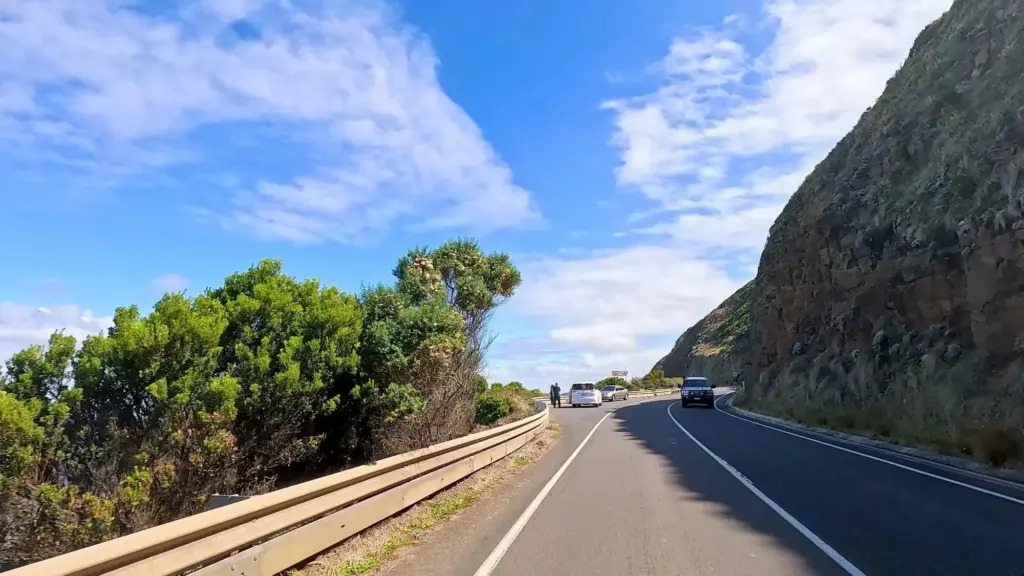
Great images on tidal islands begin long before the shutter clicks. Start with reliable tide tables, cross-check local signage, and build a habit of arriving early as the ebb exposes safe causeways. Pair those windows with sunrise, sunset, or overcast softness, and study wind direction that sculpts ripples and spray. Keep a conservative return buffer, because sea states and surge differ by season. Thoughtful timing unlocks calm reflections, shining textures, and stories told without panic.

Tide Tables to Footprints: Planning Windows You Can Trust
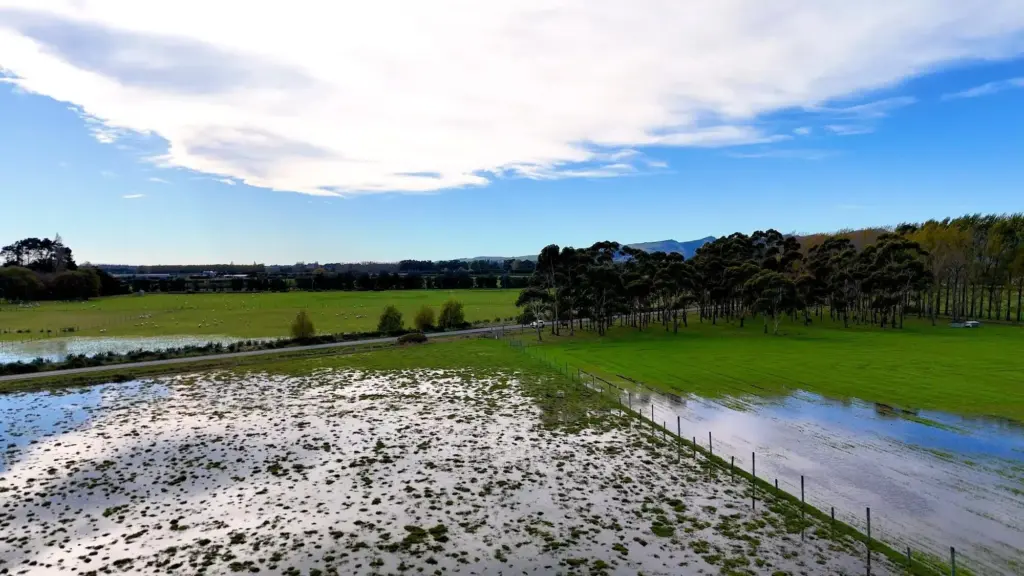
Choose sources you can verify, then triangulate: national hydrographic tables, local harbor boards, and on-the-ground markers like the Pilgrim Poles to Lindisfarne. Note spring versus neap ranges, and add minutes for safety. Wet-sand sheen can mimic water depth, so probe carefully with trekking poles. If your route disappears underfoot faster than expected, turn back immediately. No photograph outshines a secure return and a warm drink while reviewing crisp files.

Angles of Sun Through the Year: Sculpting Texture and Depth

From winter’s low arc to summer’s high blaze, sun angle carves patterns across weed-slick stone, cobbles, and pooled mirrors. Track azimuth and elevation to predict side-light that chisels relief along causeway blocks. Overcast days flatten contrast but amplify color accuracy, perfect for subtle greens and rust tones. Consider golden hour behind thin cloud for sky gradients that sing. Use phone apps sparingly; verify on location, and refine your composition with slow, attentive walking.

Spring on the Causeway: Fresh Color, Fast Change

Spring brings thrift blossoms, returning seabirds, and quicksilver weather that shifts from dew to downpour in one crossing. The ebb often reveals gleaming pavements with delicate algae that pop under soft backlight. Arrive with microfiber cloths for drizzle, and seek reflections between cobbles before footprints spread. Gentle breezes ruffle mirror pools into tasteful texture. Keep respectful distances from nesting birds, and frame with patience. Share your favorite vernal finds in the comments and inspire new dawn starts.

Summer Strategies: Crowds, Haze, and Long-Day Magic

Summer gifts epic windows but demands strategy. Heat haze softens distant detail, midday glare blinds highlights, and popular paths fill quickly. Beat the rush with blue-hour arrivals, then pivot to long-exposure minimalism when the sun climbs. Scout shaded angles, leverage sea mists for atmosphere, and hydrate often. Carry lens hoods, stable tripods, and a cloth for sunscreen smudges. If you enjoy people in frame, embrace scale play respectfully. Share your sunrise schedules to help others plan kindly.

Blue Hour Escapes: Empty Paths, Clean Horizons, Cooler Sensors

Slip onto the causeway as color deepens from cobalt to peach, when sensors run cool and details sing. Use a tripod with a slight leg splay for uneven stones, and keep ISO low for polished gradients. Add a gentle soft-edge grad to balance sky-to-sea transitions. When first walkers arrive, invite them to pass, then capture their silhouettes as graceful scale markers. Blue hour often gifts mirror-flat puddles; move slowly and protect unmarred reflections with deliberate foot placement.

Neutral Density Mastery for Noon: Silken Seas, Sharp Stories

With a strong ND, turn harsh midday waves into porcelain strokes that flatter leading lines. Bracket exposures to preserve moss texture, and shield filters from flare with your hand. Combine a polarizer sparingly to avoid uneven skies at wide angles. Compose for bold geometry—block edges, chained bollards, or repeating stones—letting blur imply time and tide. Log your settings; summer light varies quickly with passing cumulus. Patience, shade breaks, and rinsed filters keep results consistently clean.
Autumn Drama: Stormlight, Bronze Seaweed, Restless Skies

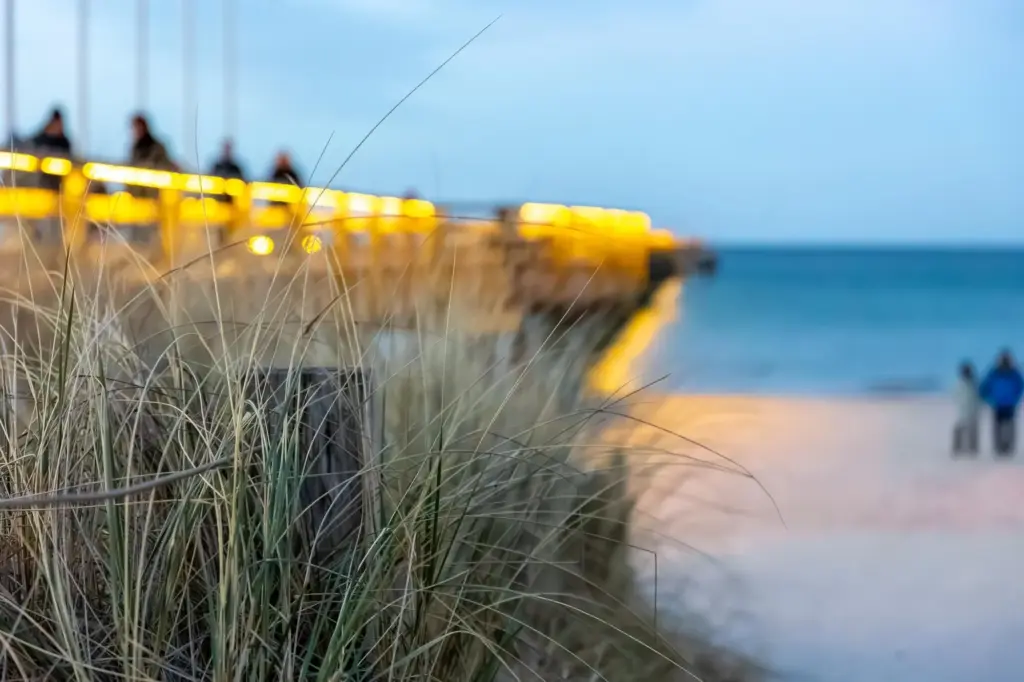
Autumn’s low sun breathes life into textures—kelp ribbons, rust-streaked bolts, and cobbles polished by the equinoctial range. Storm fronts stack luminous skies that transform minutes before rain. Respect fiercer swells and sudden gusts, and prioritize generous return windows. Saturated colors thrive after showers; pack microfiber and spare batteries. Lean into moody palettes, layered clouds, and reflective hollows. Write observations in a pocket notebook. Later, those notes shape refined itineraries that turn risk into wise anticipation.

Winter Minimalism: Frost, Breathing Horizons, Long Nights
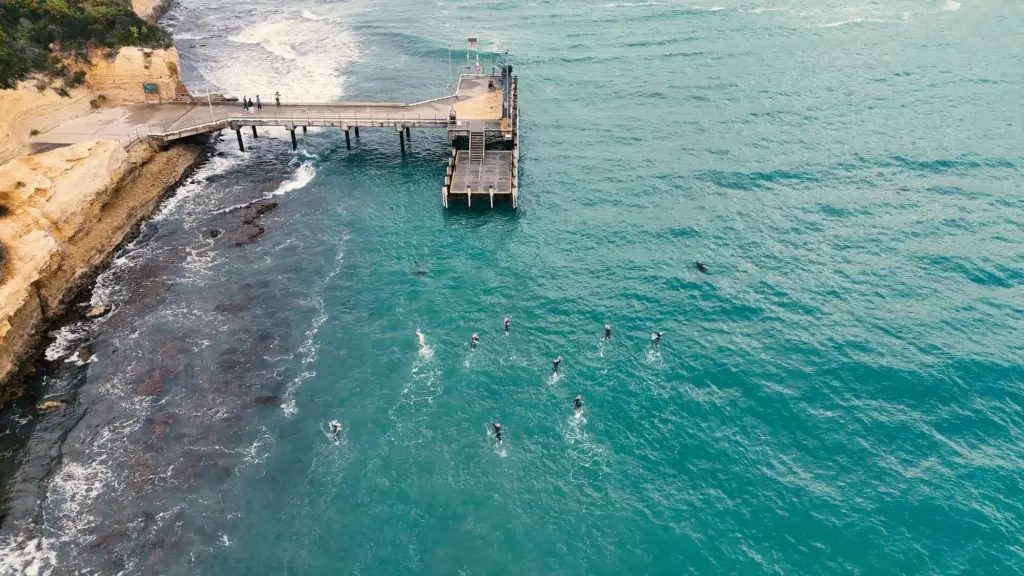
St Mary’s Island: Frosted Rock Patterns and Safe Standpoints

Arrive at civil twilight to scout black ice before crowds appear. Frame crystalline rime along fissures leading toward the lighthouse, letting a low sun feather across textures. A gentle grad preserves sky nuance while frost sparkles. Keep tripods short for stability, and never stand where retreating waves undercut footing. If ice lingers, choose shore vantage points and compress patterns with moderate telephoto. Collect small stories—crackling steps, vapor breaths, gull cries—to animate otherwise hushed compositions.

Hilbre’s Seals from Afar: Lenses, Ethics, and Heat Shimmer
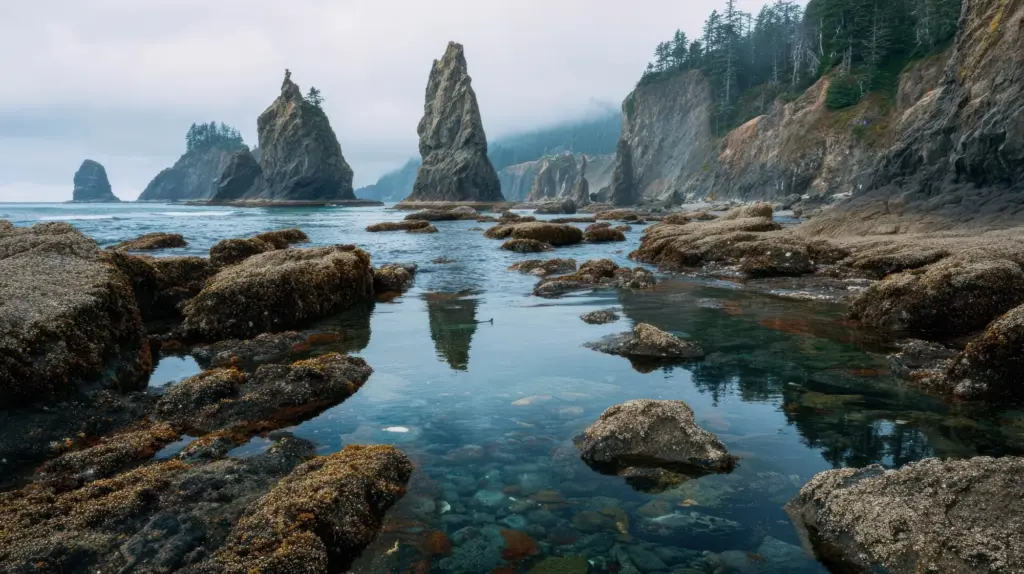
On cold, clear days, distant shimmer can blur fine details. Combat with slightly faster shutter speeds and refocus patiently. Use long lenses to keep respectful distances from resting seals; avoid blocking routes to water. Pack a beanbag for low, steady support on rock ledges. When the tide snakes away, foreground channels offer abstract lines against pale skies. Let empathy guide decisions—every quiet animal moment outweighs the closest frame. Leave only prints that vanish with the next wash.

Night Tides and Stars: Cold-Weather Power and Condensation Control

Plan daylight recces for safe nighttime footing, then pair low tide with clear forecasts and minimal wind. Keep spare batteries warm, and seal gear before returning indoors to prevent condensation. A fast wide-angle captures both causeway texture and constellations, while low-level lighting remains subtle and considerate. Mind headlamp etiquette around others and wildlife. If clouds roll in, embrace moody long exposures of moving squalls across reflective puddles. Winter nights reward patience with crystal narratives etched in salt air.

Saltproof Kits: Tools and Habits That Endure Seasons

Coastal photography punishes sloppy maintenance. Weather-sealed bodies help, but rituals matter more: rinse tripods, wipe filter threads, dry bags thoroughly, and rotate silica gels. Favor simple, reliable gear you can repair in the field. Keep lens cloths in separate dry pockets, log salt exposure, and replace fatigued gaskets before big trips. Redundancy—a spare remote, second torch, backup map—saves shoots. Treat your kit like a boat: inspected, organized, and always ready for the next bright window.

Compositions with Heart: Stories, Heritage, and Respect

Leading Lines and Reflective Riddles: Turning Causeways into Narratives

Place the causeway as an arrow, but complicate the path with puddles, seaweed arcs, and occasional human traces. Low perspectives stretch distance while side-light emblazons textures. Use reflections to echo towers or cliffs, then break symmetry with a pebble cluster. Pause between frames to notice small stories—abandoned shells, trapped bubbles, wavering clouds. Edit gently, letting natural color and shape carry meaning. The best sequences feel walked, not merely witnessed through a distant, detached lens.

Community and Privacy: Photographing Respectfully in Living Places

These crossings serve residents, workers, and worshippers, not just visiting image-makers. Give way cheerfully, lower tripods quickly, and ask before blocking narrow stretches. When people feature prominently, seek consent, respect refusals, and avoid sharing identifiable children without permission. Refrain from geotagging sensitive spots that cannot absorb attention. Support local cafés, bins, and conservation boxes. Gratitude opens conversations that teach the tides better than any chart. Your courtesy becomes part of the place’s enduring story.

Drones, Birds, and Ancient Stones: Flying and Footstep Awareness

Check airspace, nature reserve rules, and seasonal exclusions before launching. Keep altitude and distance buffers to protect nesting birds and haul-out sites, and land immediately if behavior changes. On foot, avoid trampling algae slicks or fragile plants, and never climb protected structures. Pack a litter bag to leave spaces cleaner than found. Share flight logs and safety tips responsibly, or choose ground-based frames when doubt persists. Stewardship strengthens access, community trust, and the quiet magic in your photographs.